
The GHI Fund proudly support soldiers, lone soldiers, and active reservists in funding trauma therapy via private practice multilingual therapists to provide imminent specialized care. Soldiers can select their own therapist through our database of participating therapists.
.png)
PERFECTIONISM is the Enemy of FREEDOM
By: Tanya ProchkoIt's getting close to Pesach and I'm thinking: what do I want to focus on at my seder table with my adolescent children who can now carry intelligent conversations and think about things in a deeper and more complex way? Afterall, our exodus from Egypt is not just a historical event and with kids, the way to facilitate spiritual connection is through relatable modern-day experiences. The obvious answer would be to focus on what each of us finds ourselves enslaved to in our lives and how we can access our personal freedom, but we've been down that road before and it hadn't hit home the way I'd want a good juicy introspective theme to do. So, I came up with IMPERFECTION
Read More.png)
The Pike Phenomenon: A Lesson for an Empowered Life
By: Elan KartenIn Proverbs, King Solomon taught the sluggard to go and learn from an ant. More recently, researchers have taught us that we should go and learn from a fish. Move over, Grandma! There’s much more to pike than just gefilte fish.
Read More
Embracing Transitions: Finding the MAGIC PAUSE Moment
By: Keren BurgmanAutumn is the season of change. I grew up in the Midwest, Chicago. First there…
Read More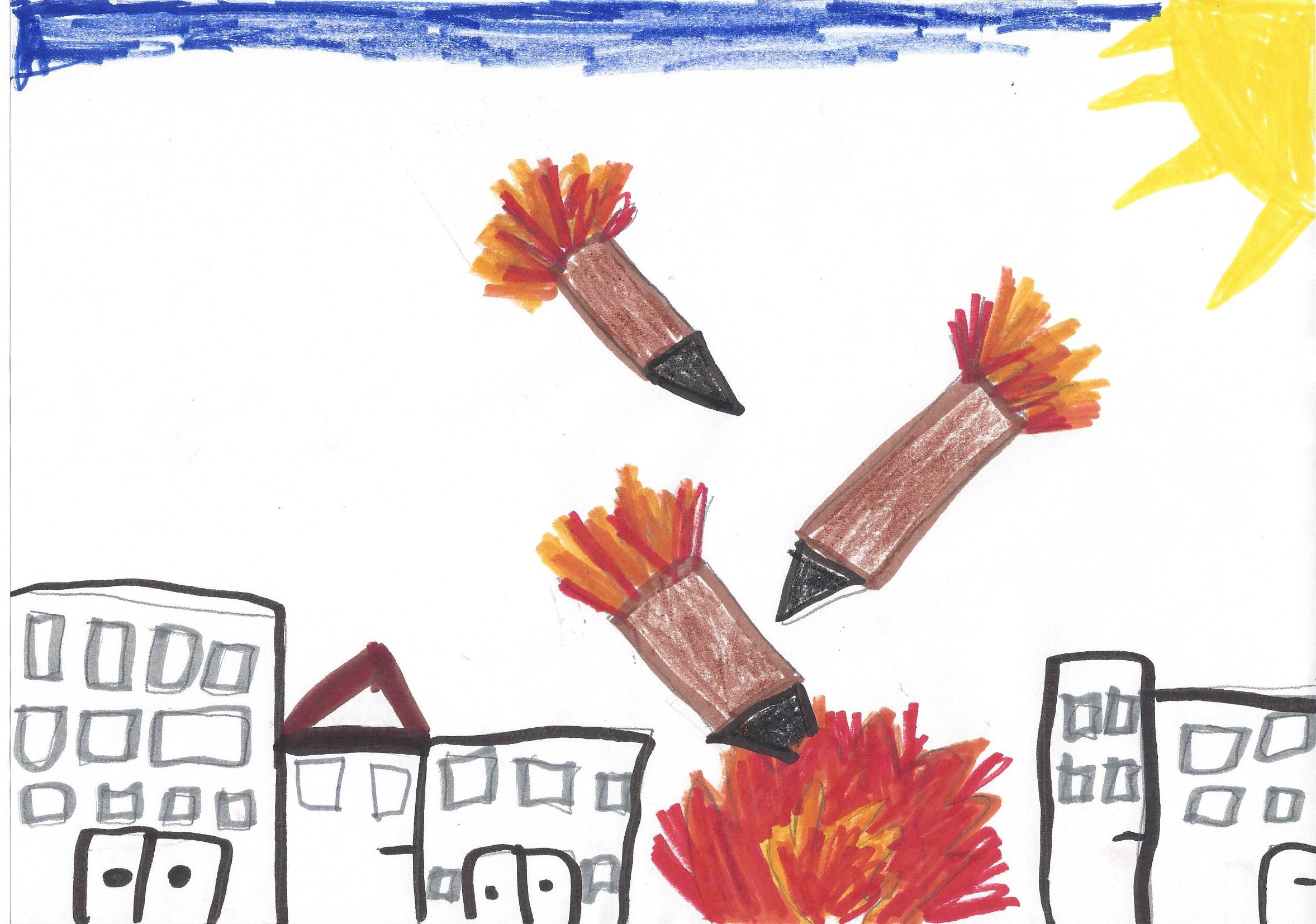
How to Emotionally Support Children During Challenging Times – Speaking to your children about recent rocket attacks in Israel
By: Sara FeinbergFollowing the recent rocket attacks, many parents have asked me how best to respond to their children and help them manage their concerns and fears. Just as we have all heard the booms and seen the news reports, our children too are well aware of what is happening. As parents it is our job to support them through these difficult times. Here are some recommendations that can help.
Read More.png)
Taking a U Turn From Thought: A Mindful Pathway Out of Trance
By: Karen Burgman“Who is your enemy?” said the Buddha. “Mind is your enemy. Not one can harm you more than a mind untrained. Who is your friend? No one can assist you and care for you better than your mind well-trained. Not even the most loving mother or father.”
Read More.png)
How to Connect With Your Partner in the Pandemic and Beyond
By: Judy MarkoseConsider this dream: you and your partner experience the pandemic with your marriage intact and your family even closer and more connected than ever. You can practice a more loving way of relating, with more kindness and giving. This blog offers practical tips for becoming a great communicator, being a generous listener, and adding gratitude to your relationship.
Read More.png)
Communicating for Connection
By: Yonatan SchechterA key task for couples is learning to express their needs explicitly, rather than expecting their spouse to read between the lines.
Read More.png)
Unmasking Manipulation: Understanding DARVO and Reclaiming Your Reality
By: Yisroel PickerMany of us encounter manipulation, but understanding its forms is key to navigating relationships healthily. This post delves into various manipulative tactics, with a special focus on the insidious DARVO strategy. Discover how recognizing these behaviors empowers you and learn about the path toward healing from their impact.
Read More
Beginnings & Endings: Making Sense of Life Changes
By: Keren BurgmanThe holiday season has ended, the parties and festivities subsided, and we come back to…
Read More
How to Create a Sense of Normalcy at Home While Navigating the New Normal
By: Karen BurgmanCovid brings with it feelings of anxiety, stress and uncertainty. Though children deal with emotions in different ways, your child has been faced with school closures, cancelled events or separation from friends, they are going to need to feel loved and supported now more than ever.
Read More
Healing the Inner Garden: A Journey of Creation, Connection, and Inner Peace
By: יוסף זאב בראווערExplore a path to healing that unites therapeutic insights and Jewish wisdom. This article bridges Internal Family Systems, mindful awareness, and timeless spiritual teachings, offering readers a journey toward self-discovery, purpose, and inner peace.
Read More
The Wondrous “Black Sheep”: the Truth Teller of a Family
By: Keren BurgmanHow often have you heard someone describing their family and either talking about a sibling…
Read More.png)
Can You FIX her?
By: Daniel FundThe short answer? You cannot "fix" your wife. But you don't need to. You need something else a whole lot better...
Read More
Feeling Helpless? Here Are 3 Corona (or Anytime) Coping Skills
By: Daniel FundIt can happen at any time or place. But especially now, with the impact of COVID-19 still being felt here in Israel even as things are finally opening up, it's an expected emotion to be feeling. Helplessness. And we are all in it together. Including your therapist. What can you do when you feel like this? Here are 3 powerful skills I know of.
Read More
Fundamentals of Trauma Recovery, Part 4
By: Chava LedererForgive yourself for not having foreseen, protected, or responded more effectively during the trauma.
Read More.png)
Understanding Group Therapy: Benefits, Core Principles, and Distinctions
By: Malka CohnTherapists often discuss the need for their clients to have supplemental support and another avenue for self-growth and reflection. Group Therapy, also known as a Process Group is more than support. It is a social microcosm where personal struggles are discussed in the here-and-now. While sharing similar benefits as other group models, it becomes a living family dynamic where members can support, challenge and model healthy interactions with guidance of the therapist group leader.
Read More.png)
The Interplay of Dread AND Hope: Holding and Navigating Contrasting Emotions in Cultivating Resilience
By: Evelyn RappoportPeople often ask me: how it is possible to celebrate amid deep suffering and life-altering traumatic events that shatter any sense of safety or security and leave us in confusion and the unknown? Dread and Hope, though seemingly contradictory, can coexist in a complex dance that shapes the human experience. Here's how...
Read More.png)
Seen, Heard, Felt: Why AI Falls Short in the Therapy Room
By: Yisroel PickerThinking of using an AI app for mental health? It might offer tips, but it can't replace a therapist. AI lacks intuition, can't read the room, and doesn't understand complex human nuance like a trained professional does. Learn why the human connection is still essential for navigating your mental well-being effectively.
Read More
Re-Frame Rejection so You Can Successfully Move Forward in Relationships
By: Micki Lavin-PellI have been rejected more times than I can count. By friends, boys, jobs, my kids, you name it… One of my most memorable rejections happened while in 6th grade. My English teacher encouraged us to write a journal, which I kept "hidden" in my desk. In it, I wrote all about a crush I had on a boy named Joey, a fellow classmate. I forgot that in the morning we sat at one desk and in the afternoon another. A fellow classmate found my journal and proceeded to read that very entry aloud to the entire class during recess.
Read More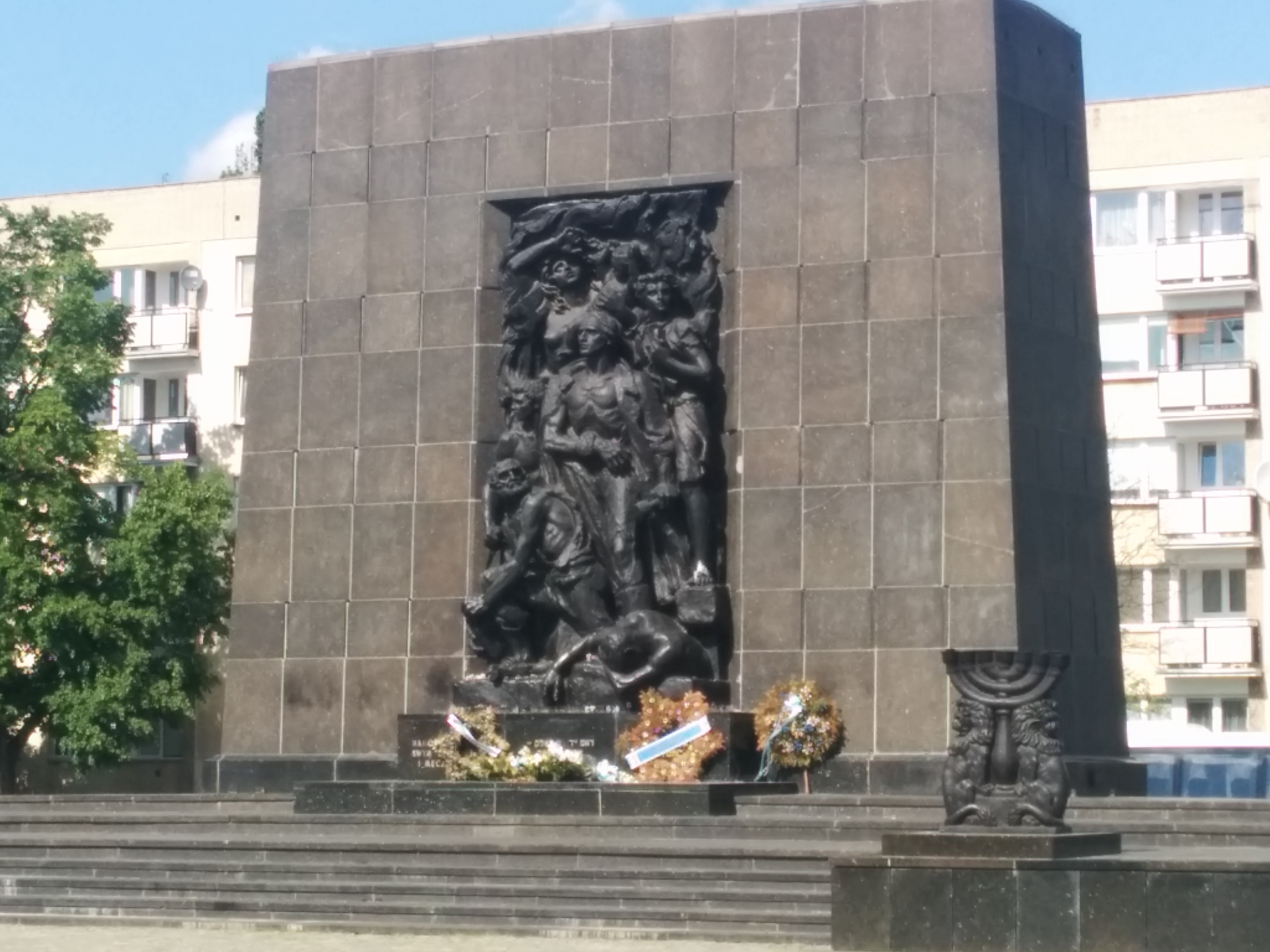
Hope and Healing: From Warsaw to Jerusalem
By: Micki Lavin-PellIt was amazing how the strength of the comradery of the women enabled them to shift their view of themselves and their experience of MRKH from one in which they were hard done by and less of a woman, to feeling special. They were able to explore the possibilities that having MRKH presented to them. They also recognized the hope and possibilities that lay within their situation, on many levels. When the women started the workshop, many were nervous and fidgety. By the end, they were sitting up straight with big smiles on their faces and hope in their eyes.
What I learned was that we can all be hope experts, as we have all experienced life challenges. The more we recognize the challenges that we endured, remove the shame connected to those challenges and celebrate the accomplishments, the better able we can help others feel more hopeful too.
Read MoreFor Soldiers and Reservists in Active Duty